Student Stories
Building What Comes Next - with TRIO Veterans Student Support Services
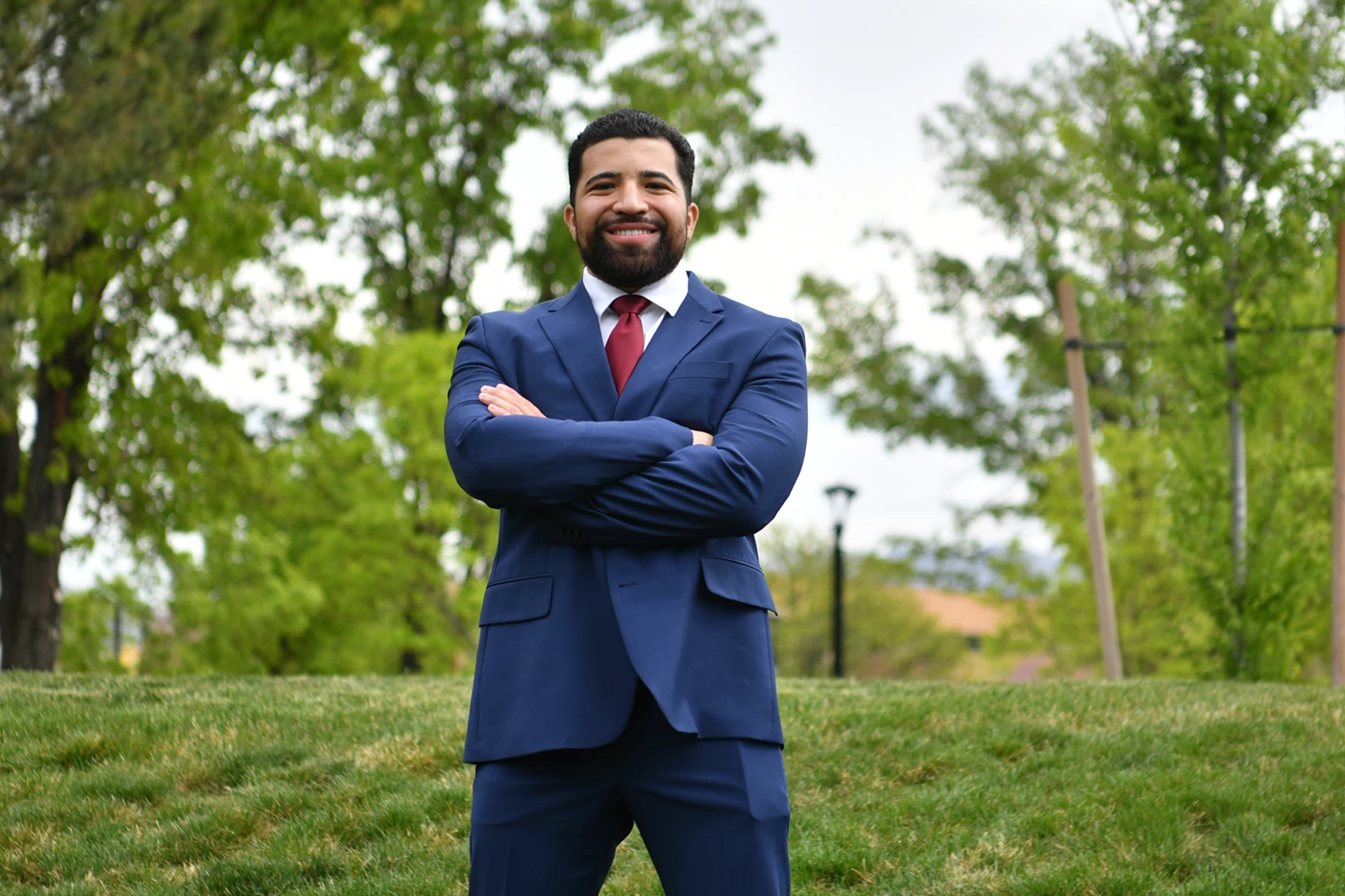
Three weeks after graduating high school in Salt Lake City in 2020, Erick Hernandez left for basic training.
As a young soldier in the Army, Erick quickly found himself carrying responsibility. "I always found myself in really high leadership positions as a young kid," he says. The military gave him structure and discipline, but when he returned home and enrolled at Salt Lake Community College, he realized college demanded a different kind of readiness.
"The transition from the military into civilian life, especially into higher education, is very different and intimidating," Erick says.
A first-generation college student, Erick, was navigating higher education without any inside knowledge in his family. "None of my parents graduated college," he says. At SLCC, he began working toward an associate degree in business with an emphasis in accounting, initially drawn to the stability and breadth of the business world. Along the way, his coursework helped him clarify not just what he could do, but what might sustain him and his mom in the long-term.
He now plans to transfer to Utah Valley University to pursue construction management, a path shaped by both his military background and close conversations at home.
"My mom knows me best and I really want to provide a better future for myself and to help her take a break," Erick says.
What nearly pulled him off course wasn't ability, but overload. Erick describes his most recent semester at SLCC as "probably one of the toughest" of his college career. Classes, commuting, National Guard obligations, and planning for transfer piled up quickly. What made the difference, he says, was support that helped him stay focused and steady.
"When the TRIO program for veterans launched, it filled the gaps," Erick says. "It all came together."
That support wasn't abstract. It showed up with early registration that helped him build workable schedules, guidance through applications and requirements, and scholarships that eased financial pressure.
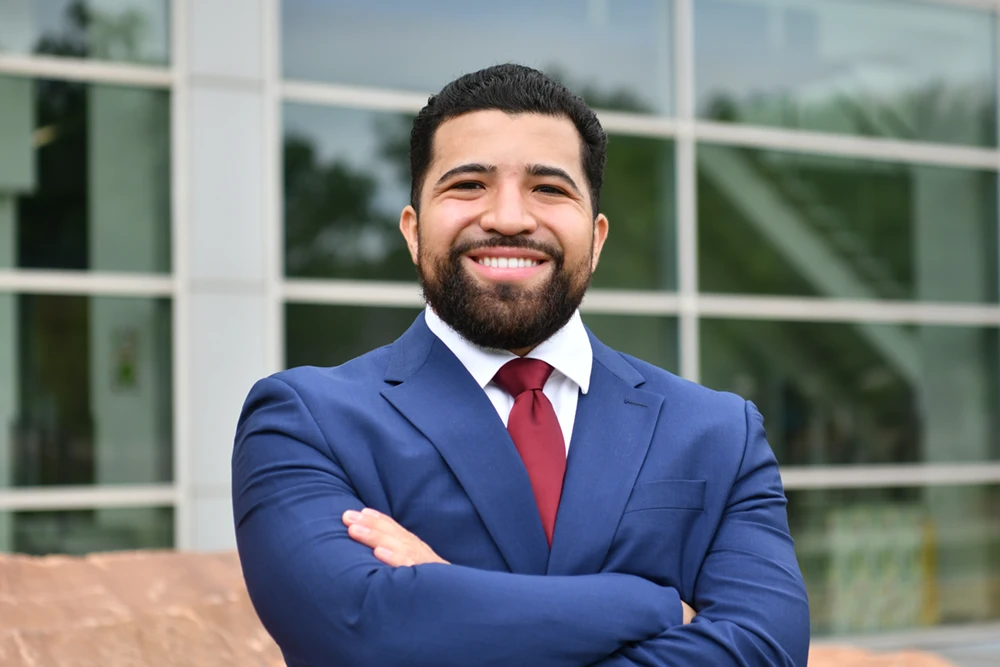
"It gave me a breather," Erick says. "I was able to say, ‘I'm a full-time student and this is my priority.'"
That breathing room mattered. It allowed Erick to step away from jobs that conflicted with his academic goals and spend more time studying, preparing for exams, and planning what came next. Just as important, it helped him find a rhythm, something that didn't come automatically after leaving the military.
"Showing up to class is maybe 20 percent of the work," he says. "Then there is everything else."
As Erick graduates from SLCC and is preparing for the next stage of his education. He talks about success not as a single achievement, but as momentum built through small, consistent steps, even when life feels hectic.
"I didn't realize how much structure got me where I needed to be," Erick says. "But now I know how to build that for myself."
Looking ahead, Erick sees education as another form of responsibility, one tied to service, purpose, and family.
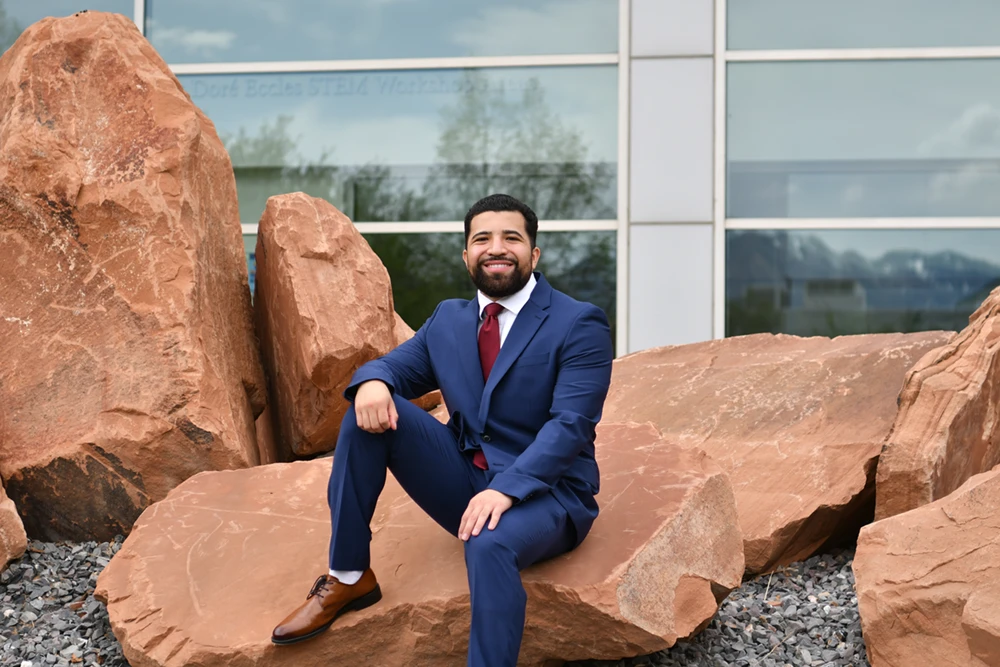
"If you really want it, you can get it," he says. "Just keep showing up and building that momentum."