SLCC Forensics Students Earn National and International Honors
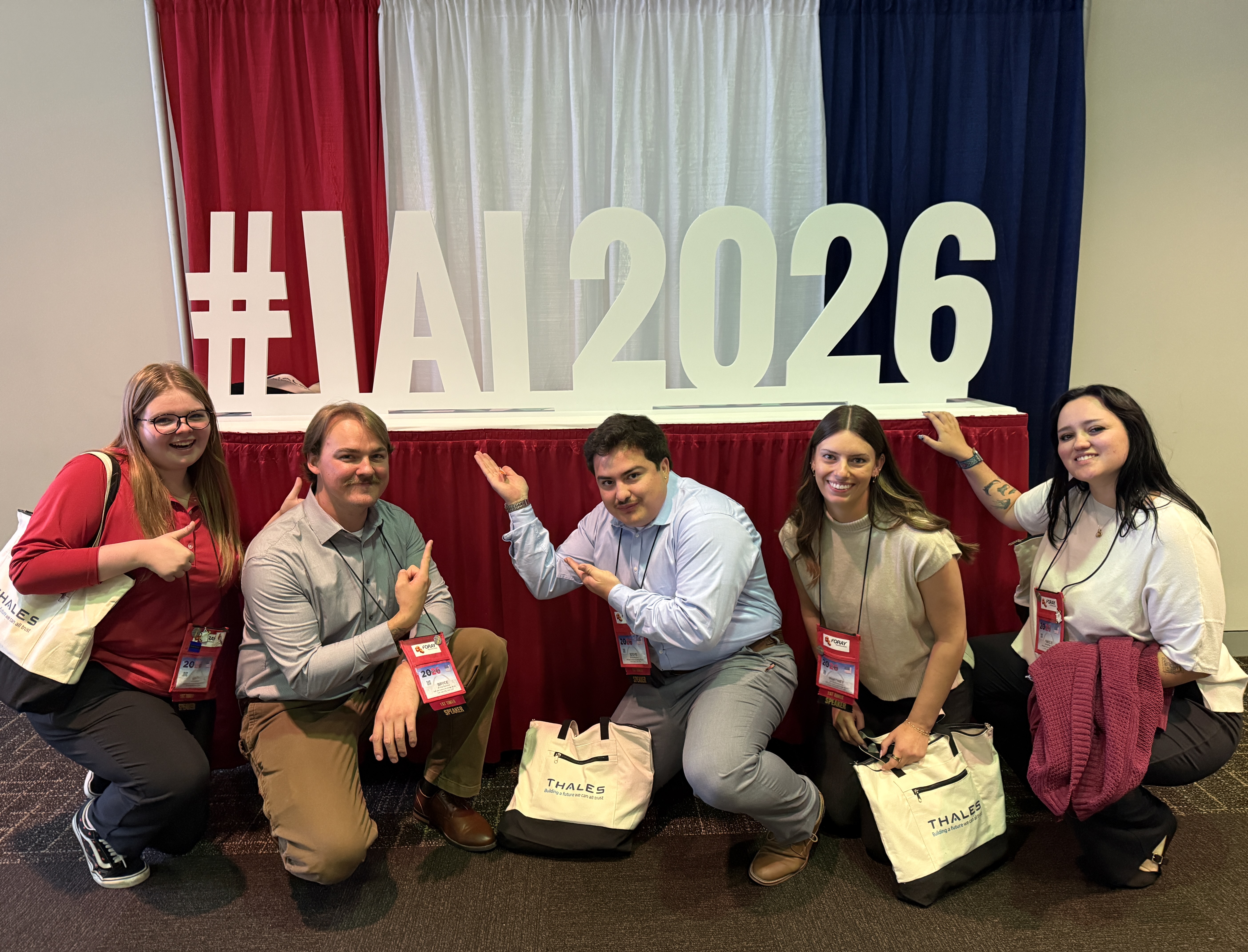
As part of National Forensic Science Week Sept. 20-26, Salt Lake Community College is celebrating students who are transforming classroom learning into national achievement.
This summer, SLCC forensic science students earned a gold medal at the SkillsUSA National Leadership & Skills Conference and presented award-winning research at the 2026 International Association for Identification (IAI) Conference. The accomplishments highlight the value of experiential learning in preparing students for careers in forensic science, criminal justice, and public safety.
Through research, professional conferences, industry networking, and hands-on competitions, students gained practical experience while showcasing their skills on national and international stages.
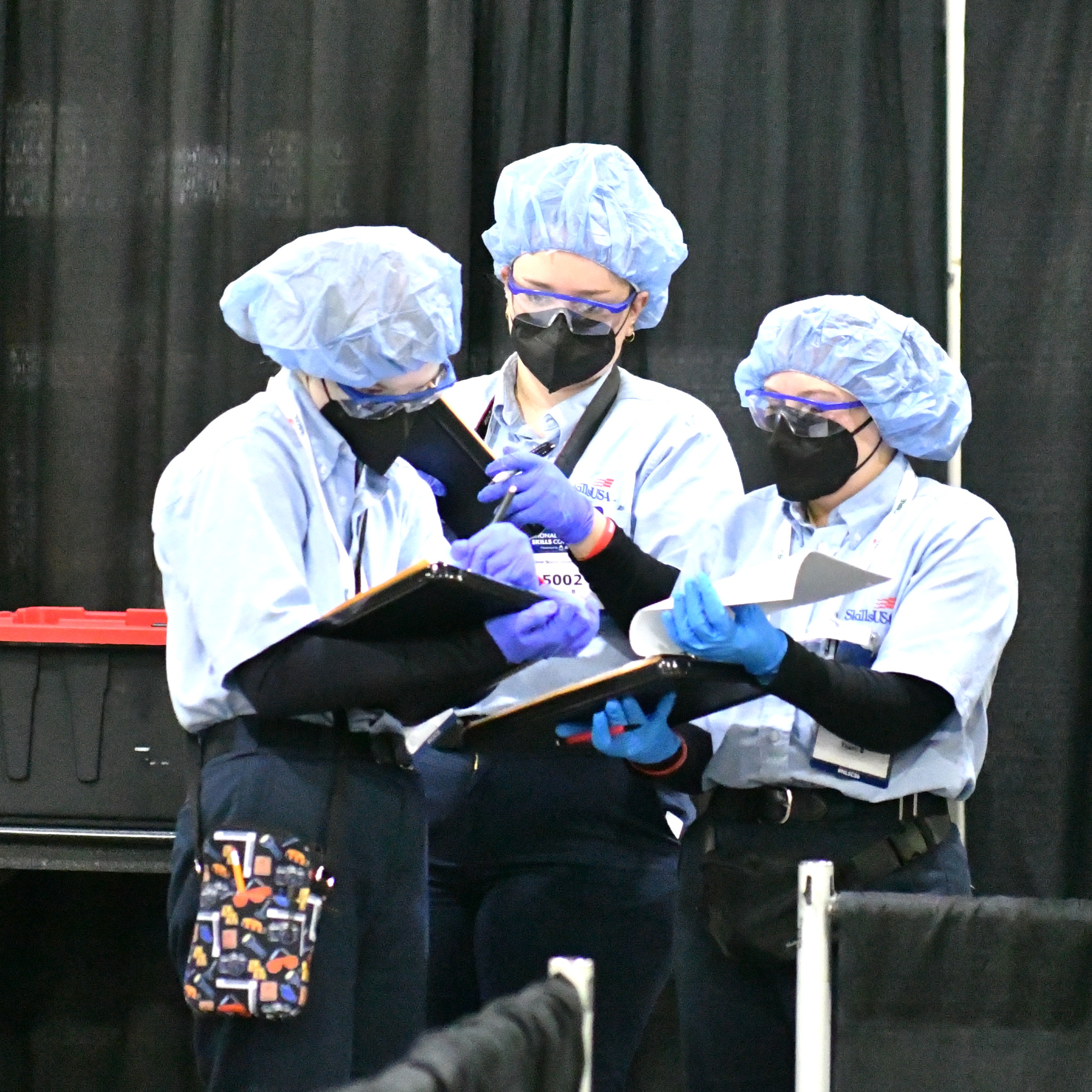
One of the year's most significant achievements came at the 2026 SkillsUSA National Leadership & Skills Conference, where SLCC students Kylee Hermeling, Kennedi Leon, and Haylie Ramirez earned a gold medal in Crime Scene Investigation. The competition challenges students to apply forensic science principles in realistic scenarios requiring evidence collection, crime scene documentation, investigative procedures, critical thinking, and teamwork.
The success of the SkillsUSA team reflects the hands-on training students receive in SLCC's Criminal Justice and Forensics programs, where classroom instruction is paired with laboratory experience and real-world applications.
Learning Beyond the Classroom
The students' participation in the International Association for Identification conference was supported through an SLCC High Impact Practices (HIPs) grant. The grant helps reduce financial barriers for students participating in undergraduate research, experiential education, collaborative projects, and global learning opportunities.
At the conference, students attended professional workshops and lectures covering topics such as forensic photography, crime scene processing, fingerprint recovery, bloodstain documentation, forensic testimony, rapid DNA technology, and emerging evidence collection techniques. They also presented original capstone research and interacted with professionals working in crime laboratories, law enforcement agencies, government organizations, and academic institutions.
The conference brought together more than 1,200 forensic practitioners and delegates from 29 countries, giving students direct access to the global forensic science community and valuable professional networking opportunities.
“These experiences give students an opportunity to apply what they learn in the classroom, engage with professionals in the field, and see firsthand how forensic science contributes to the pursuit of justice,” said Stephanie Hoffman, Forensics Lab Program Coordinator and associate professor of Criminal Justice and Forensics.
Award-Winning Research on an International Stage
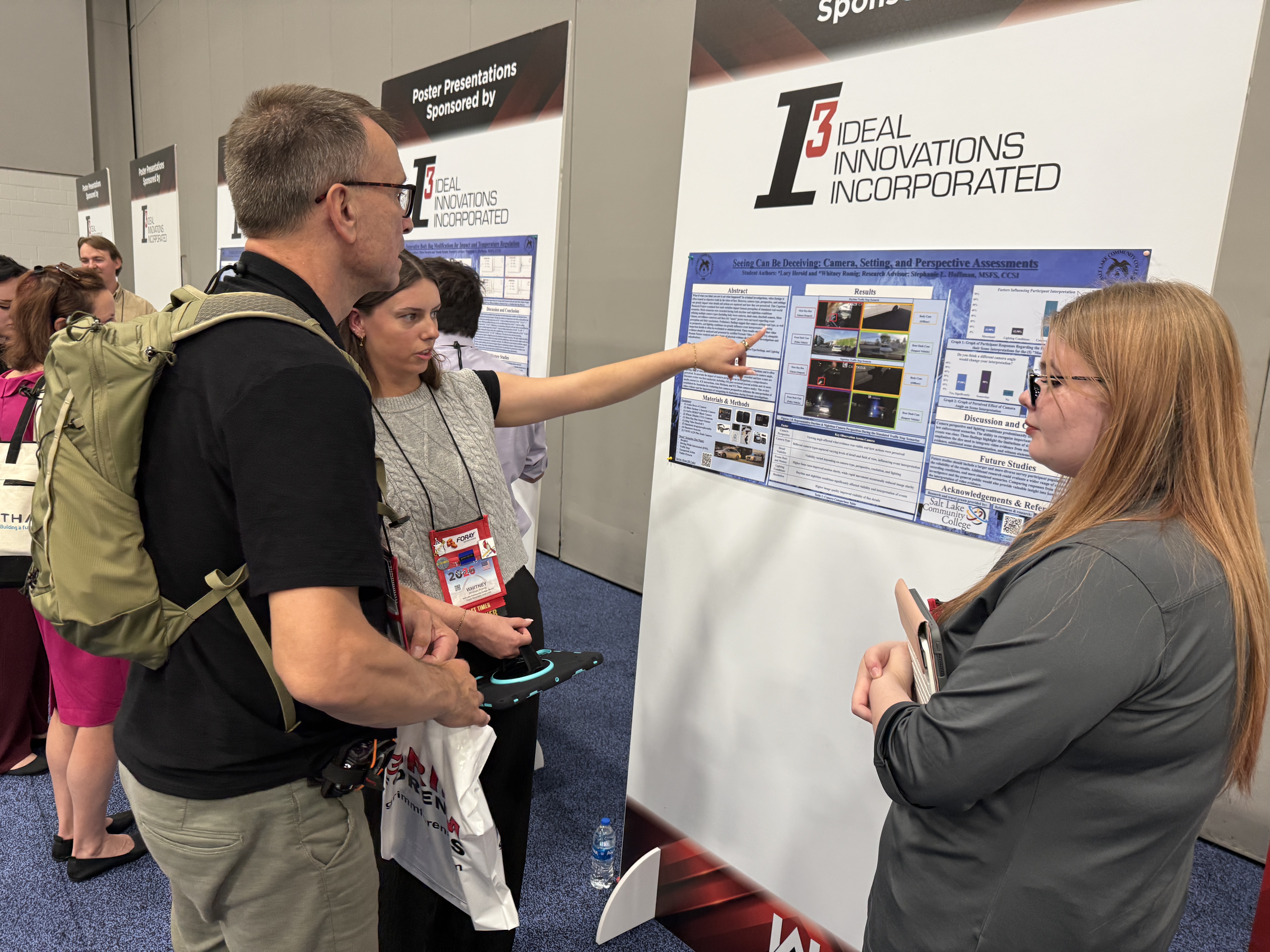
Several SLCC students presented original capstone research at the conference, demonstrating the college's commitment to undergraduate research and applied learning. Among the presenters, Jessah Rylant and Steve Navarro earned top honors in the conference's Student Poster Contest, competing against students from bachelor's- and master's-level institutions.
Additional student researchers representing the college included Whitney Romig, Bryce Beesley, and Lucy Herold, who also presented their capstone projects to conference attendees.
For students, the experience extended far beyond presenting research.
“This is the second IAI conference I've been able to attend, and the networking within this conference is some of the best experiences I have had in my student career,” reflected Haylie Ramirez. “I got to meet so many forensic professionals and hear their stories about their work and what they think I should do next.”
Other students described making connections with professionals from across the United States and around the world, learning about internship opportunities, exploring specialized forensic disciplines, and gaining advice from practitioners working in the field every day.
Building Career Pathways
The conference experience also reinforced the connection between classroom instruction and professional practice.
Students reported gaining confidence in technical skills such as evidence documentation, forensic photography, fingerprint recovery, bloodstain analysis, and crime scene processing. Many noted that working directly with forensic professionals helped validate concepts they had learned in the classroom while providing a clearer understanding of potential career paths.
For Bryce Beesley, networking proved especially valuable. He connected with forensic professionals and mentors who have continued providing guidance following the conference, including advice related to internships and entering the workforce.
Similarly, Whitney Romig, Jessah Rylant, Steve Navarro, and Lucy Herold highlighted opportunities to meet forensic scientists, crime scene investigators, educators, and industry leaders who shared their experiences and encouraged students as they prepare for careers in the profession.
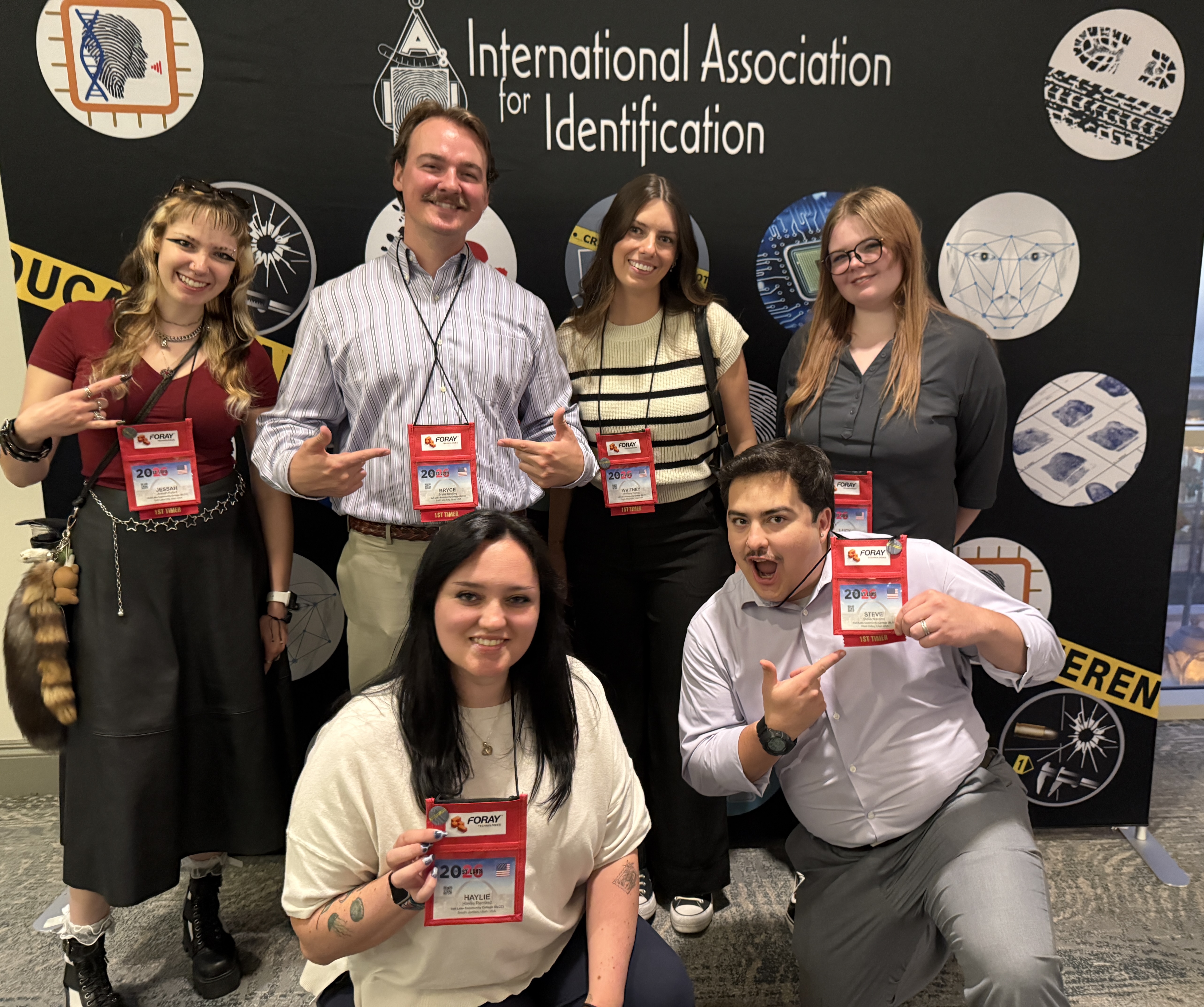
Celebrating Excellence During National Forensic Science Week
National Forensic Science Week recognizes the contributions of forensic scientists, educators, and students who support public safety and the pursuit of justice through science.
For Salt Lake Community College, the week is an opportunity to celebrate students whose achievements demonstrate the power of experiential learning. Whether earning a national title at SkillsUSA, presenting research on an international stage, or building professional connections that will shape future careers, these students exemplify the impact of education that extends beyond the classroom.
As the college continues to expand opportunities for undergraduate research, applied learning, and professional engagement, students in the Criminal Justice and Forensics programs are proving that community college students can compete, collaborate, and excel alongside peers from institutions across the country and around the world.