High Impact Practices
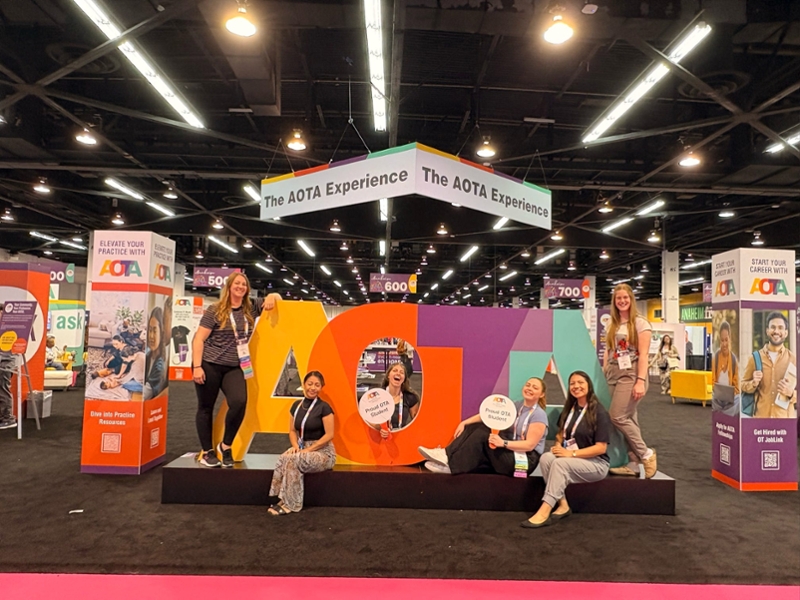
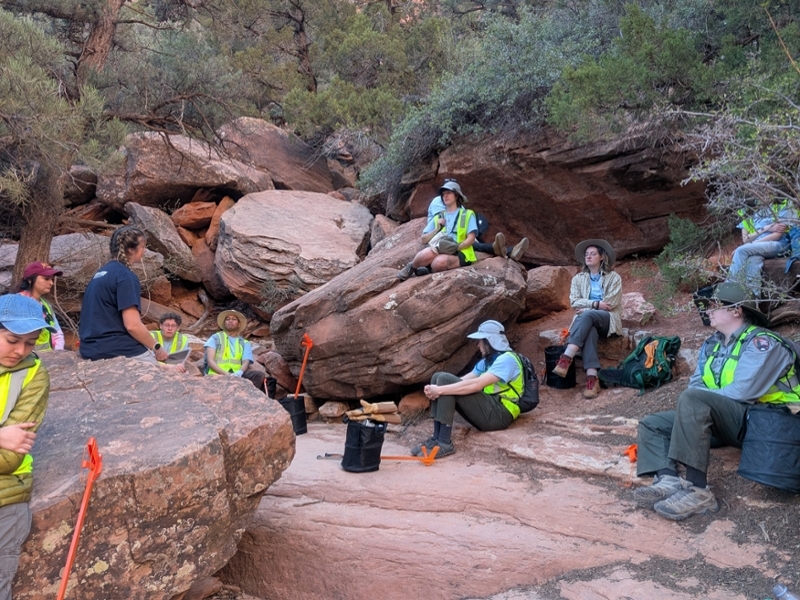
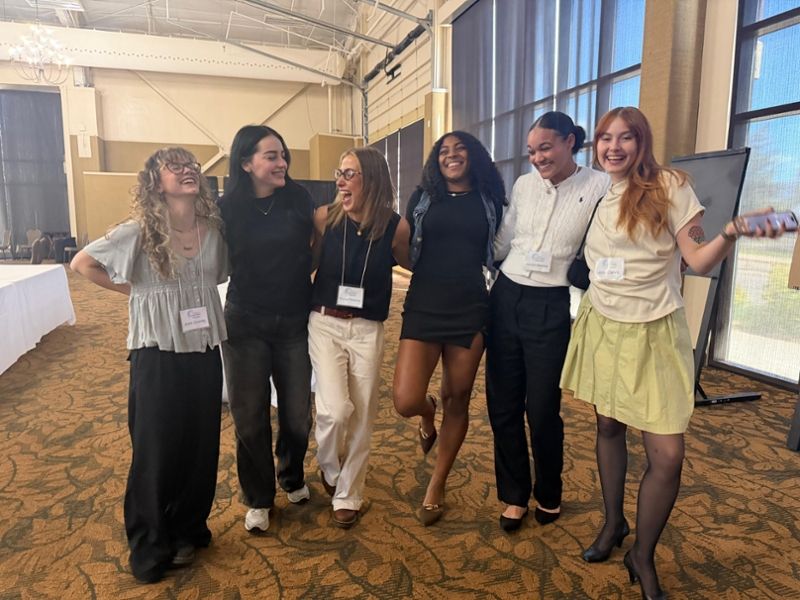
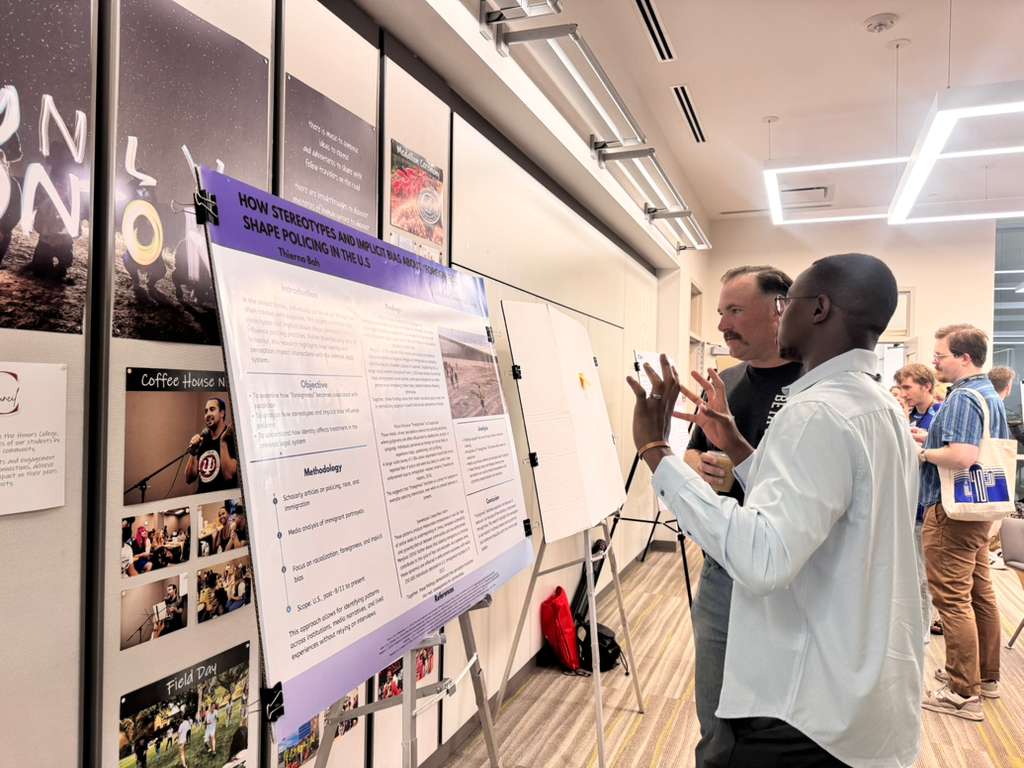
Salt Lake Community College (SLCC) is committed to fostering High Impact Practices (HIPs) throughout its curriculum. Identified by George Kuh and popularized through the efforts of the Association of American Colleges and Universities (AAC&U), HIPs are specific pedagogies that—when done well—have positive effects on deep learning, student retention and ultimately student success. They ask students to produce educationally purposeful work that is the result of sustained engagement with unscripted challenges, using active and self-reflective methods in realistic contexts, and marked by formative and summative feedback from faculty and peers.
Kuh originally identified ten HIPs, to which the AAC&U added ePortfolio pedagogy in 2017. At SLCC, we have identified and defined the following 14 HIPs that we encourage faculty to use in their courses:
How to Apply for Funding
The President's Office financially supports students participating in High-Impact Practices (HIPs). The primary purpose of this initiative is to broaden the pool of students who can participate in HIPs with cost barriers. Therefore, nominators should ensure that they are targeting the funding to support first-generation students, students with financial needs, and/or students who are members of underrepresented populations.
Funding can be reimbursed for experiences for students that include conference or workshop registration, flights, hotel costs, or other expenses related to participation in a HIP. Students need to present to receive funding to attend a conference. The funding cannot pay for employee expenses. If you are nominating a group of students, please list one student on the form when applying and then indicate that the proposal is for a group experience. You will then receive a link to a form where you can submit info for the group. Group leaders and individuals requesting funding will all need to fill out the HIPs Application for Support form by clicking on the button below.
Please note expenses will be reimbursed to the nominators department using the Emburse reconciliation report.
Priority review deadlines are:
- Fourth Monday in September
- Fourth Monday in October
- Fourth Monday in November
- Fourth Monday in January
No funding will be provided for experiences after commencement for the open call.
PROPOSAL GUIDELINES
- Please provide an explanation of the activity and how it aligns to the SLCC strategic plan and/or with high-impact practices (HIP). High-impact practices engage and retain students. Please describe how your activity will do this.
- The funds should primarily be used to support accessibility and inclusion. Please articulate your plan to include students who are traditionally underrepresented in HIPs.
- What are the expected learning outcomes for the activity? These can be academic, skill-based, interpersonal or equity focused.
- How will a diversity of perspectives and interactions be incorporated into the activity?
- Provide a plan for ensuring that students/leaders complete the final reflection form.
- Please use the following rubric to guide your proposal.
All participants (Leaders and students) will need to fill out their dedicated reflection form upon completion of the activity.
Student Reflection Form Leader Reflection Form